-
By: Linda Health Partners
-
28 Oct, 2025
Health and Wellness: Essential Tips for People with Disabilities
Maintaining good health and overall wellness is important for everyone, but it can be especially essential for people with disabilities. A proactive approach to physical, mental, and emotional well-being can help improve quality of life, boost independence, and foster a positive mindset. While everyone’s needs are unique, here are some essential tips for staying healthy and well.
1. Focus on Nutrition
A balanced diet fuels the body and supports energy levels. People with disabilities should aim for nutrient-rich foods such as fruits, vegetables, whole grains, lean proteins, and healthy fats. Small changes like reducing processed foods, drinking enough water, and planning meals in advance can make a big difference. For those with specific medical conditions, consulting a dietitian can help create a personalised meal plan.
2. Stay Physically Active
Regular exercise can improve strength, flexibility, and mental well-being. Depending on the type of disability, activities like swimming, yoga, resistance training, or wheelchair sports can be beneficial. Even light movement, such as stretching or short walks, can promote circulation and reduce muscle stiffness. Always consult a healthcare professional before starting a new exercise routine.
Ideas for adaptive physical activity include:
- Chair yoga or seated stretches
- Water-based exercises for low-impact movement
- Wheelchair sports or hand cycling
- Gentle resistance band workouts
Tip: Always consult your healthcare provider before starting any new exercise to ensure it’s safe for your condition.
3. Prioritise Mental Health
Mental wellness is just as important as physical health. People with disabilities may experience stress, anxiety, or feelings of isolation. Strategies like mindfulness meditation, breathing exercises, and engaging in hobbies can help manage stress. Seeking support from therapists, counsellors, or peer support groups can provide valuable encouragement and understanding.
4. Stay Connected
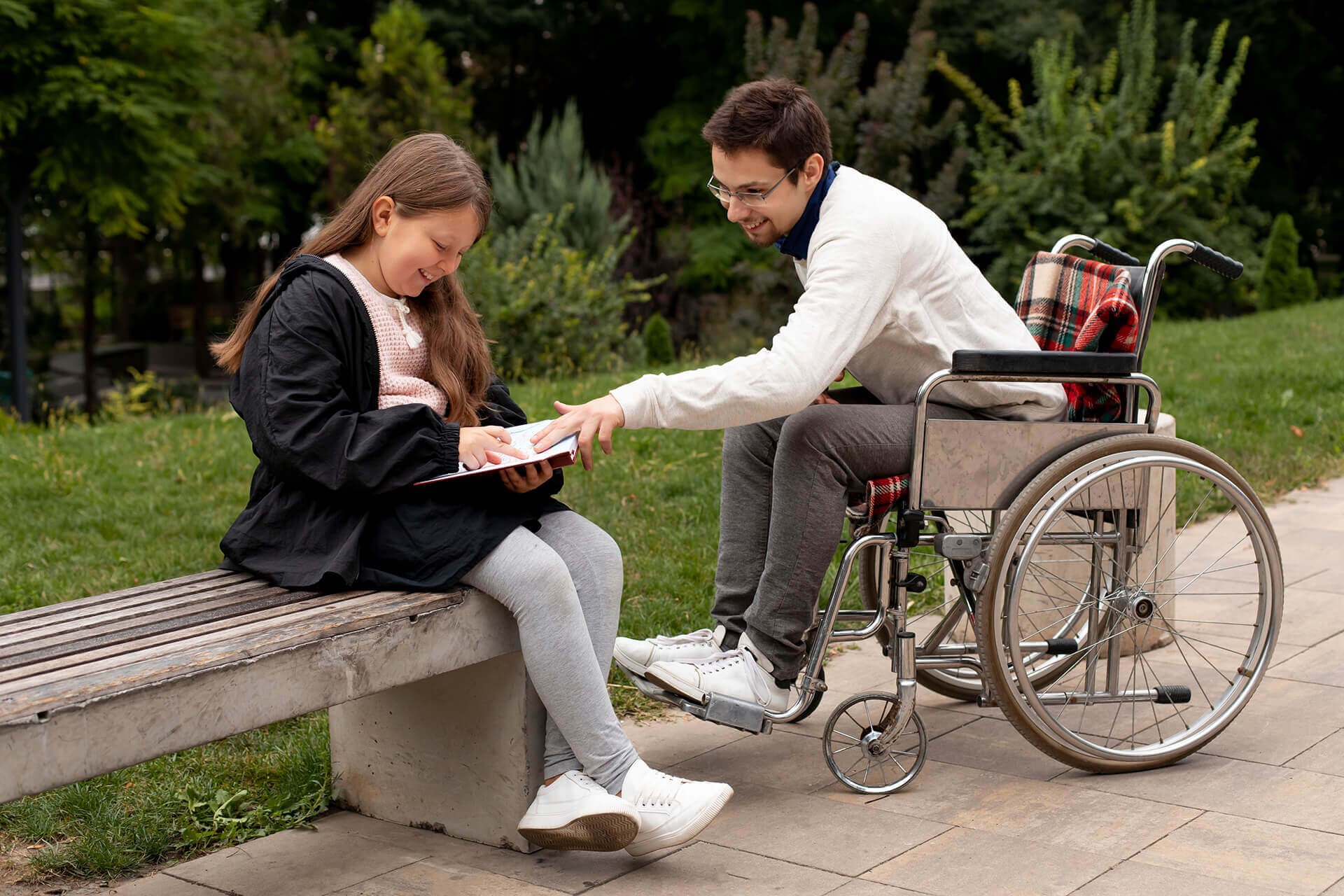
Social connections play a vital role in overall wellness. Maintaining relationships with friends, family, and community members can reduce feelings of loneliness and boost happiness. Participating in local events, joining disability advocacy groups, or engaging in online communities can help strengthen these connections.
5. Manage Medical Care
Routine check-ups, screenings, and following treatment plans are essential for preventing complications and maintaining health. Keeping a health journal or using reminder apps can help track medications, appointments, and symptoms. Open communication with healthcare providers ensures the right care and support are received.
6. Adapt Your Environment
An accessible and safe living environment can enhance independence and reduce the risk of injury. This may include installing grab bars, using adaptive tools, or organising items within easy reach. Technology such as smart home devices can also assist with daily tasks and improve safety.
7. Practice Self-Compassion
Living with a disability can bring unique challenges, but it’s important to acknowledge personal achievements, no matter how small. Practicing self-compassion means being patient with yourself, celebrating progress, and focusing on what you can do rather than limitations.
Final Thoughts
Health and wellness are lifelong journeys, and for people with disabilities, small daily habits can create a lasting impact. By focusing on nutrition, physical activity, mental health, social connections, and accessible living, individuals can lead healthier, more fulfilling lives. Remember, it’s not about perfection — it’s about making choices that support your well-being every day.